All the example comes from games
- huge market valuation (321 billions estimated in 2026)
- games contain many hard to detect visual bugs
- most of the testing for game is done manually
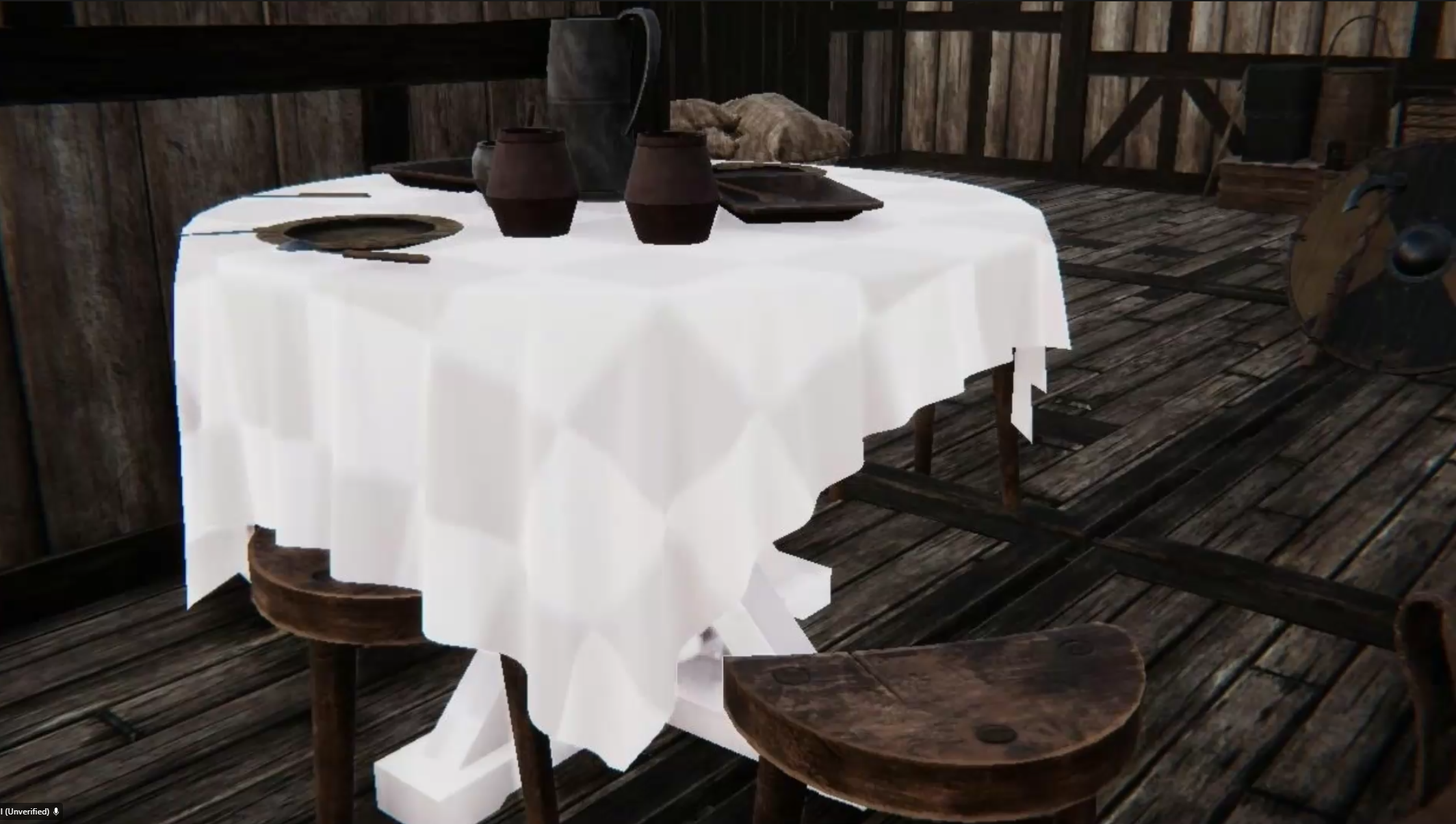 fig.1
fig.1
Bugs in games:
- bodies in unnatural position
- wrong physics (e.g., raining inside)
Specify a test oracle is not feasible
- there are too many things to consider
- it requires common sense
- how to teach a computer to have common sense?
LLM offer useful testing capabilities:
- they can somehow ‘reason’
VLM (Vision Language Models): can provide output given a visual input
- a VLM can be used as a test oracle
How to detect bugs in:
- realistic video-games
- non-realistic video-games, where the physics can be funny
What do a VLM need to create test oracles in fig.1?
- identify the table
- identify the table cloth
- identify wrong pattern on the table cloth
GlitchBench: 593 images and descriptions of video game glitches from 205 games (https://glitchbench.github.io/)
ChatGPT is already pretty good at distinguish between legitimate images and images in which the physics is broken
Rendering and texture bugs are the most common in the game industry
Models like ChatGPT are trained to ignore defects on human faces, in order to be politically correct:
- As a result, ChatGPT cannot detect bugs in rendering faces in NPC or main players’ avatars in a game
Bugs detection capabilities of VLM in HTML canvas DOM element
- many of these apps are 2D, non-realistic games
- the canvas is hard to test because it is not represented in the DOM, so VLM can be useful in this context
20 open source canvas applications, 100 screenshots
- 1 bug-free image
- 4 buggy images per application
In 2D non-realistic games VLM cannot rely as much on their understanding of the world (approx. 26% accuracy)
How to improve the models?
- create bigger models, o a model tailored for this kind of tasks
- specialized models can lead to vendor lock-in
- better prompts: giving extra context about the application improve the accuracy of the model’s response
Providing extra context about an application
- README file which include info about the type of application, its features, game rules, etc
- description of the types of bugs we are looking for
- it is difficult to create valid bugs taxonomies because usually a bug is caused by multiple factors
- bug-free screenshot to comparison: it gives the biggest improvement to a model
- examples of image assets
A model fine-tuned for video games understanding: VideoGameBunny
- https://videogamebunny.github.io
- trained on YouTube gameplay videos: frames were extracted and labels were provided for each frame
Result of the training:
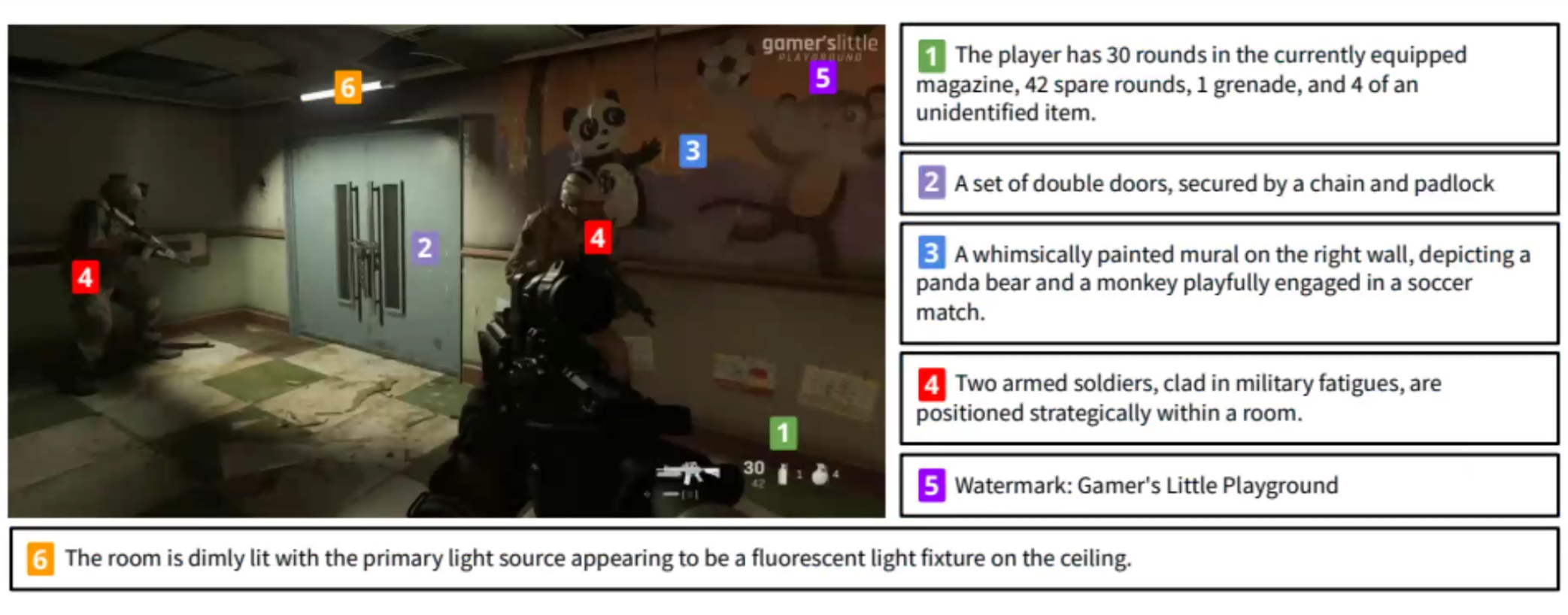
3K questions about common sense were asked to the model. A 73.3% of accuracy was achieved
Email: bezemer@ualberta.ca Website: https://asgaard.ece.ualberta.ca